After Care


You Need to Stay Healthy After Treatments
Aftercare tips can ensure a smooth recovery after dental procedures, minimize discomfort, and avoid complications.
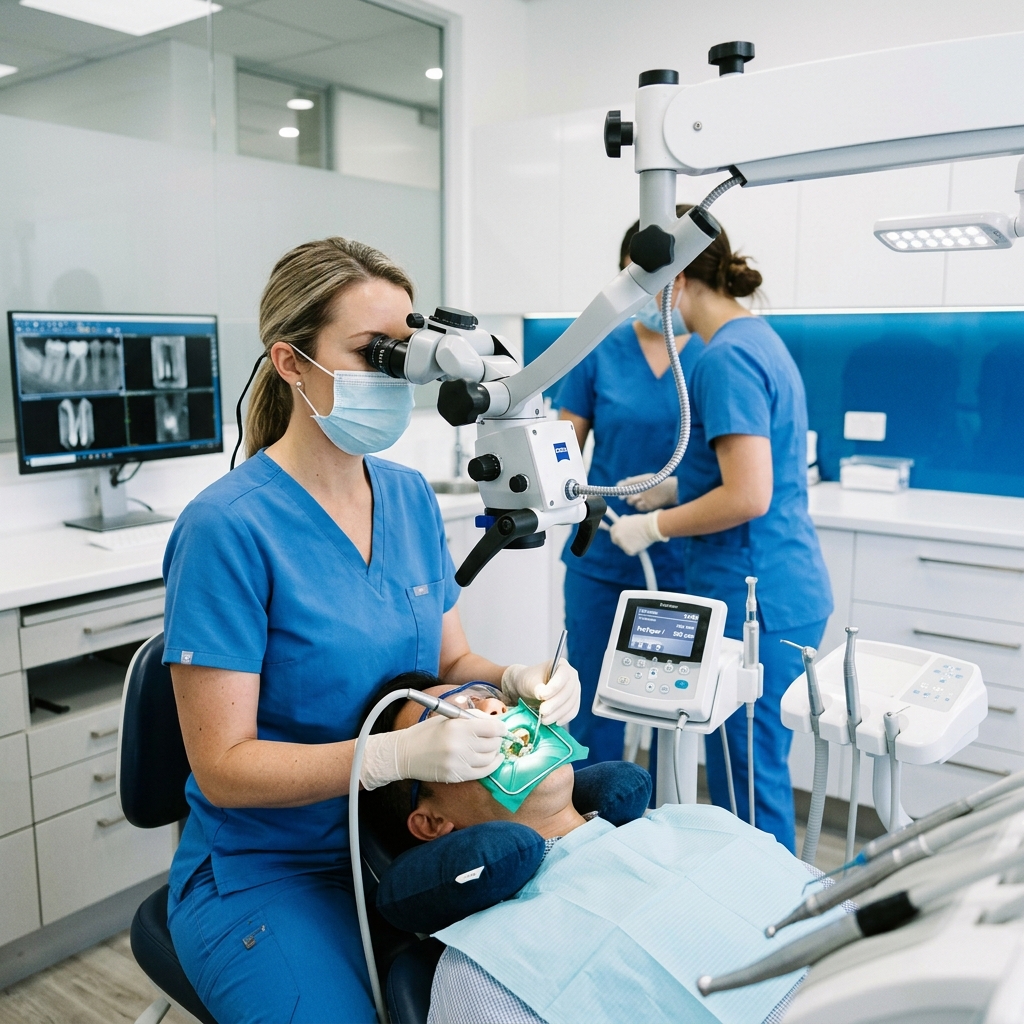
Root Canal Treatment
Post Operative Instructions
After undergoing a root canal treatment, it is crucial to follow specific post op instructions for root canal treatment to ensure a smooth recovery and prevent complications.
- Take over-the-counter pain relievers as advised if you experience discomfort post-treatment.
- Protect the temporary filling by not chewing on that side until a permanent filling or crown is placed.
- Brush and floss gently around the treated area to prevent infection and promote healing.
- Contact the dentist if you experience swelling or allergic reactions post-treatment.
- Ensure you return for a follow-up to get a permanent filling or crown.
- Stick to soft foods initially and avoid hard or sticky foods to protect the treated area.
- Report severe pain, sensitivity, or pressure to the dentist, as these may indicate treatment issues.
Braces Instructions
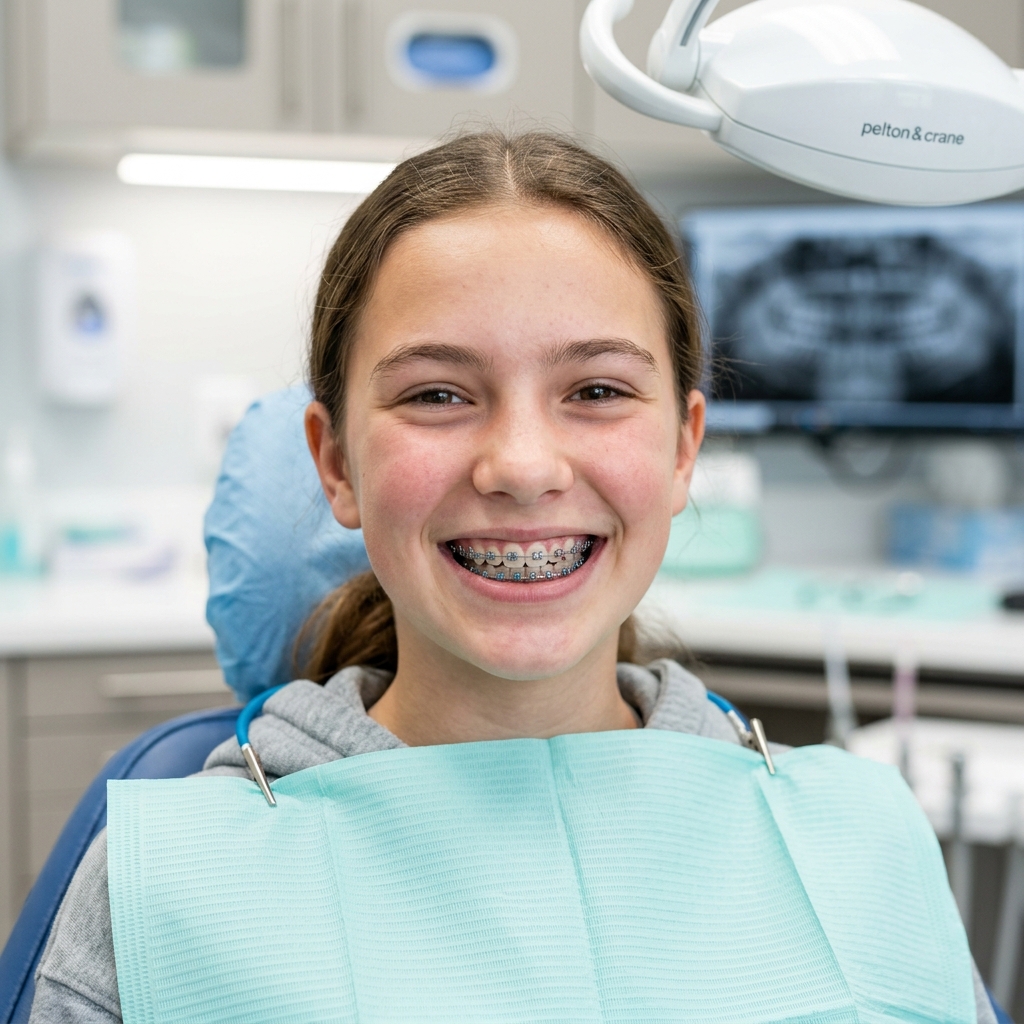
Following proper care guidelines is essential for the success of your orthodontic treatment. Proper oral hygiene, dietary adjustments, and timely care protect your appliances and ensure a smooth, comfortable journey to a confident smile.
If a bracket becomes loose, a wire breaks, or you experience severe discomfort, cover sharp edges with relief wax and contact the clinic immediately.
Cleaning & Hygiene
Use orthodontic and interproximal brushes to clean under brackets and wires. Floss daily and rinse with fluoridated mouthwash at night after brushing.
Dietary Guidelines
Avoid sticky, chewy, or hard foods like nuts, popcorn, and ice cubes. Cut raw fruits, vegetables, and meats into small bite-sized sections before chewing.
Managing Discomfort
Apply orthodontic relief wax over sharp wires or brackets causing irritation. Over-the-counter pain relievers help ease minor soreness during adjustments.
Removable Appliances
Wear retainers or removable appliances strictly as prescribed. Clean them with tap water after meals and store them in a protective container when not in use.
Appointments & Patient Cooperation
Always bring night braces, retainers, and appliances to every appointment. Full cooperation with elastics and removable appliances ensures treatment stays on track without delays.
Clear Aligners
What are the Patient Instructions For Clear Aligners?
- Wear clear aligners all the time except during eating, drinking, brushing, and flossing. The aim should be around 22 hours per day.
- After brushing the teeth every morning and night, brush Invisalign with a toothbrush and paste.
- It would be best if a person cleans the teeth after every meal and before the insertion of clear aligners to maintain proper oral hygiene.
- Eat and drink without wearing clear aligners and can drink water wearing them. Having any other drink with clear aligners worn, the chances of staining will increase the risk of decay.
- One should not smoke wearing clear aligners, as it may discolor.
- There will be discomfort in the initial few days for around 3 to 4 days after wearing the new aligner, as every time it is aimed to exert pressure on some teeth.
- In the initial days, speech is difficult, with the time tongue getting habitual to it.
- When not in use, keep aligners in the case provided to avoid any damage or loss.
- Follow the schedule at home to change the aligners on specified dates, and also follow the appointment schedule punctually to ensure the progress of treatment.
- Contact the orthodontist as soon as possible and resume wearing the previous aligner till getting the next one.
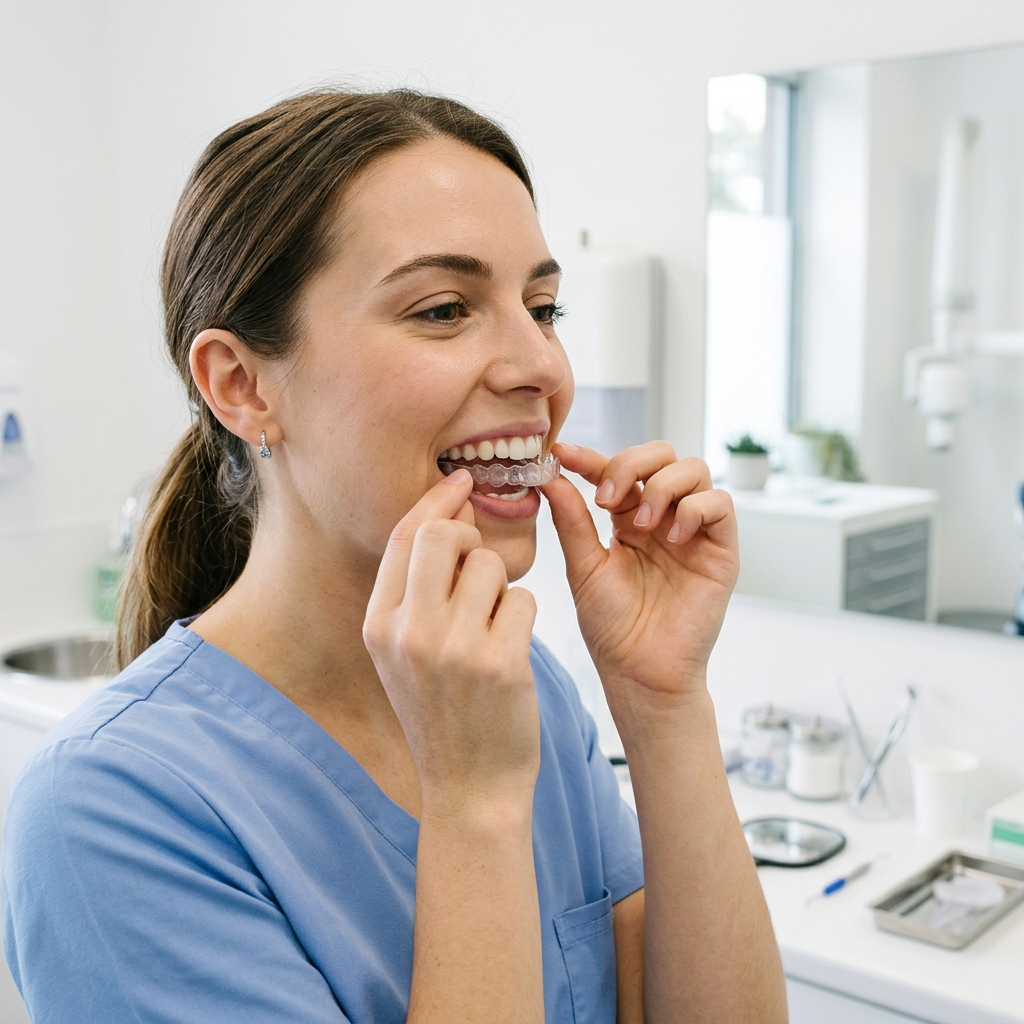
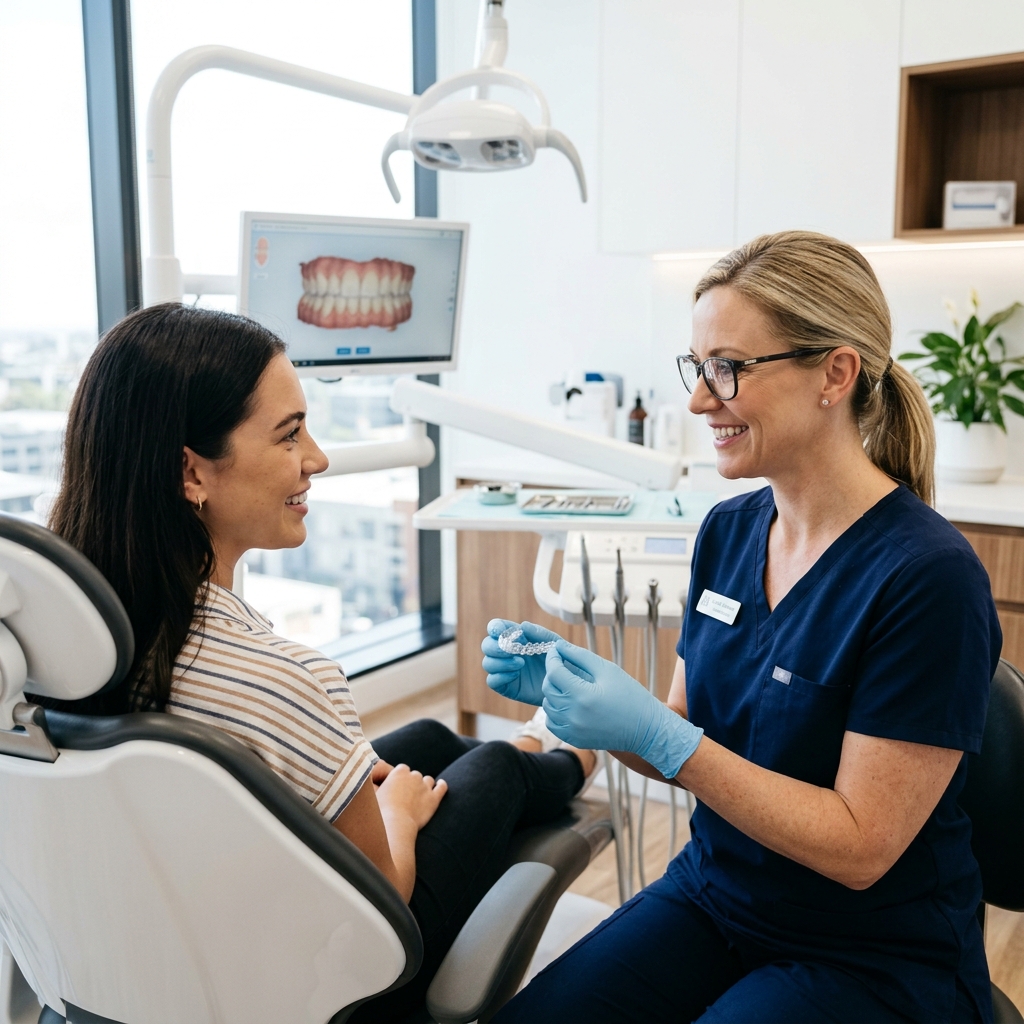
Aligners Care
Post Operative Instructions
Wearing dental aligners, such as Invisalign, also requires specific care to ensure effective treatment and maintain oral health.
- Wear your aligners for the recommended number of hours each day, typically 20-22 hours, only removing them to eat, drink, brush, and floss.
- Rinse and clean your aligners daily to prevent bacteria buildup. Use a soft toothbrush and soap, avoiding hot water that can warp the plastic.
- Brush and floss your teeth before reinserting your aligners to maintain good oral hygiene and prevent cavities or gum disease.
- When not wearing your aligners, store them in their protective case to avoid losing or damaging them.
- Remove your aligners when eating or drinking anything other than water to prevent staining and damage.
- If your aligners become damaged or if you experience significant discomfort, contact the dentist as soon as possible.
Braces Removal Aftercare
Post Operative Instructions
After getting your braces off, it's an exciting time, but it's also crucial to follow specific post operative instructions for braces to maintain those beautiful results.
- Follow the dentist's instructions on retainer use to prevent teeth from shifting.
- Brush twice a day, floss daily, and clean your retainer as recommended.
- Ensure your teeth stay in place and your retainer fits well by visiting the dentist or orthodontist regularly.
- Enjoy a varied diet but focus on foods that promote dental health and limit sugary snacks.
- Use a mouthguard during sports and avoid damaging habits like chewing on pens or biting nails.
- Report persistent sensitivity to the dentist for advice on easing discomfort.
- Continue with professional cleanings and checkups to maintain oral health.

Dental Procedures
Post Operative Instructions
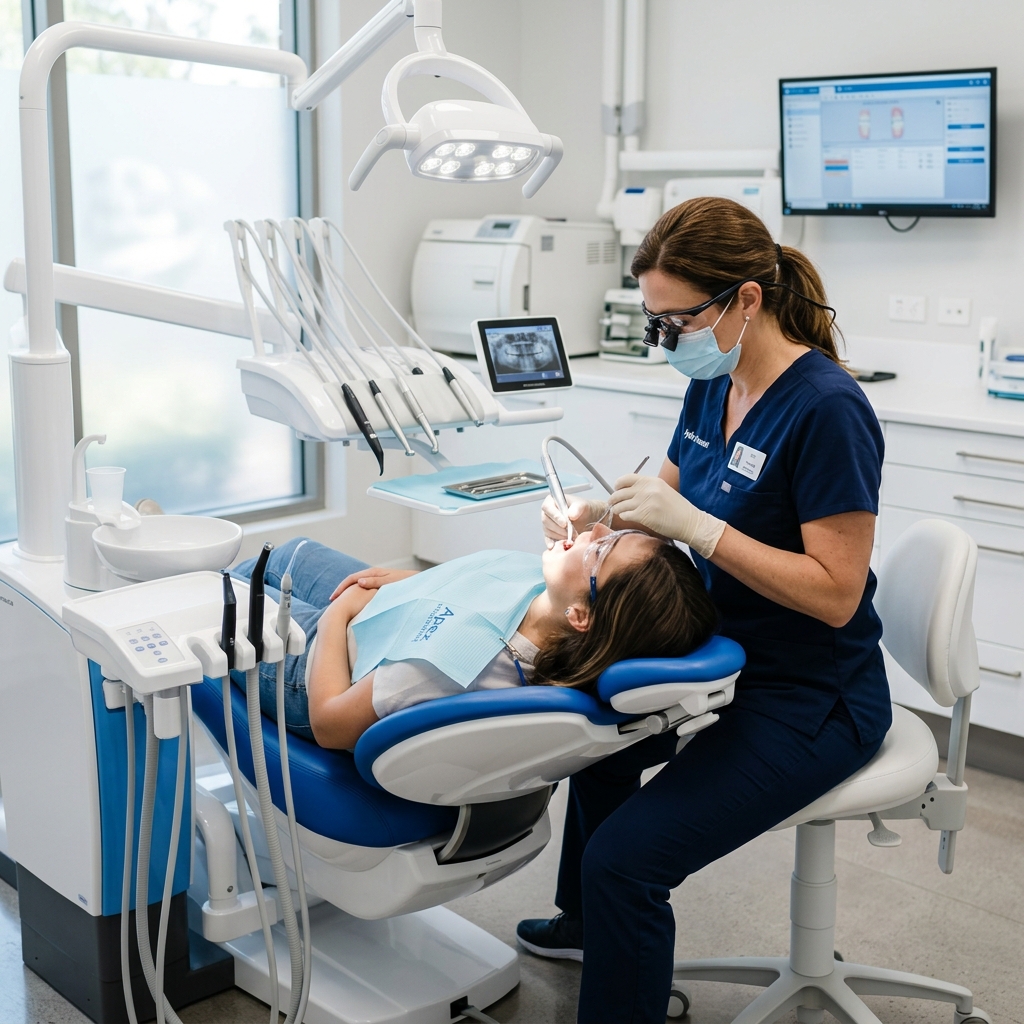
After undergoing dental procedures, aftercare is crucial to ensure a smooth recovery and maintain oral health. Here are some post operative instructions for every procedure to follow after various dental procedures.
- Strict to any specific aftercare instructions the dentist gives.
- Use recommended pain relievers and apply a cold compress for swelling.
- Start with soft foods and liquids, avoiding anything that could irritate the treated area.
- Brush gently, avoiding surgical sites if advised, and consider saltwater rinses or special mouthwashes.
- Steer clear of smoking, using a straw, or spitting forcefully to prevent complications.
- Drink plenty of water, avoiding hot beverages and alcohol.
- Ensure to go for any scheduled follow-up appointments for monitoring and concerns.
- Contact the dentist if you notice increased pain, swelling, fever, or discharge.
Extraction & Impaction
Post Operative Instructions
After undergoing tooth extraction or dealing with an impacted tooth, proper aftercare is important for smoother recovery and minimizing discomfort. Here are some post op instructions for extraction & impaction to follow after these procedures:
- Bite gently but firmly on the gauze to reduce bleeding and allow clot formation for about 30 minutes to an hour.
- Use an ice pack on the cheek to reduce swelling, 10 minutes at a time during the first day.
- Rest the day of the procedure and use pillows to prop your head up.
- Avoid rinsing, sucking on straws, smoking, and drinking alcohol for 24 hours to prevent dislodging the clot.
- Start with soft, liquid foods, avoiding hot and alcoholic beverages initially.
- Gently rinse with warm salt water after meals and before bed starting a day after, and brush and floss carefully.
- Use prescribed pain relievers and ice packs as needed.
- Look out for severe pain, swelling, fever, or pus and contact the dentist if these occur.
- Take any prescribed antibiotics as directed and complete the full course.
- Attend follow-up appointments to ensure healing and address any concerns.
Dental Fillings
Post Operative Instructions
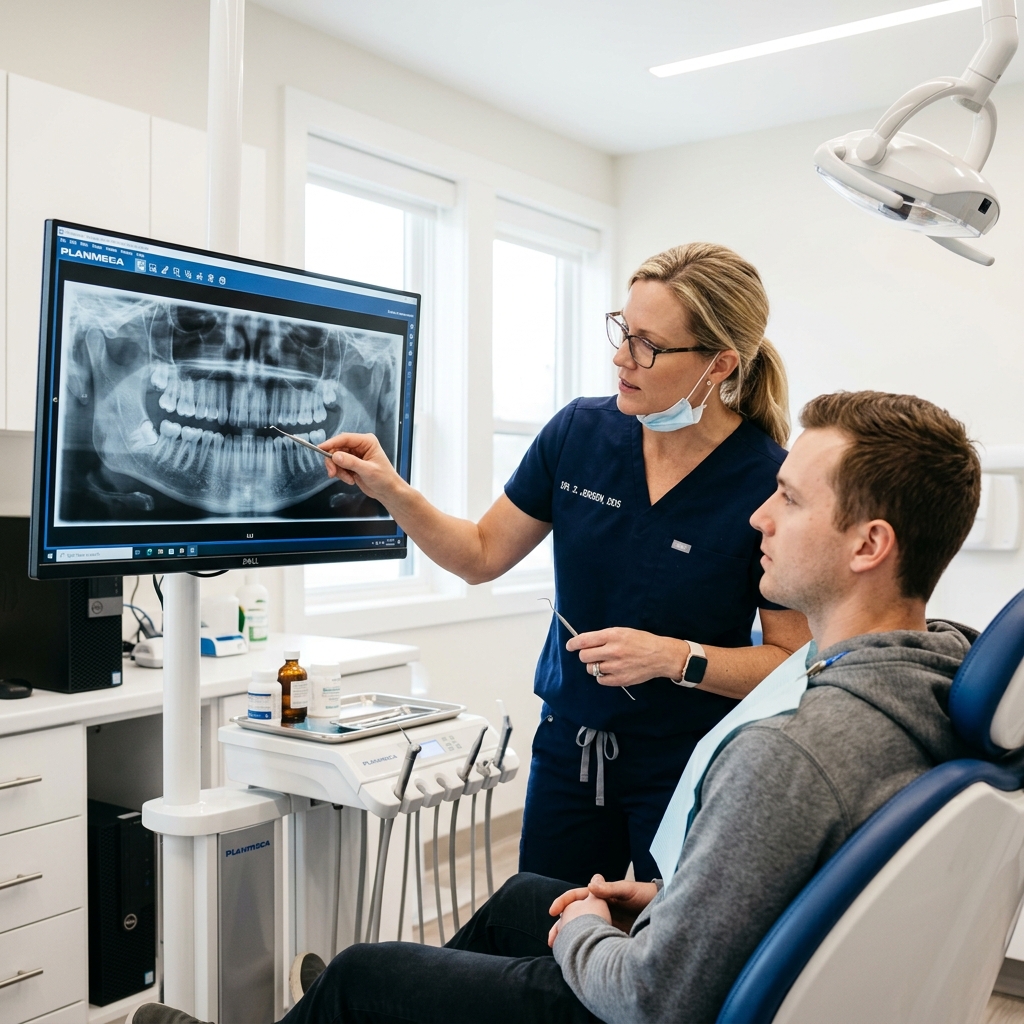
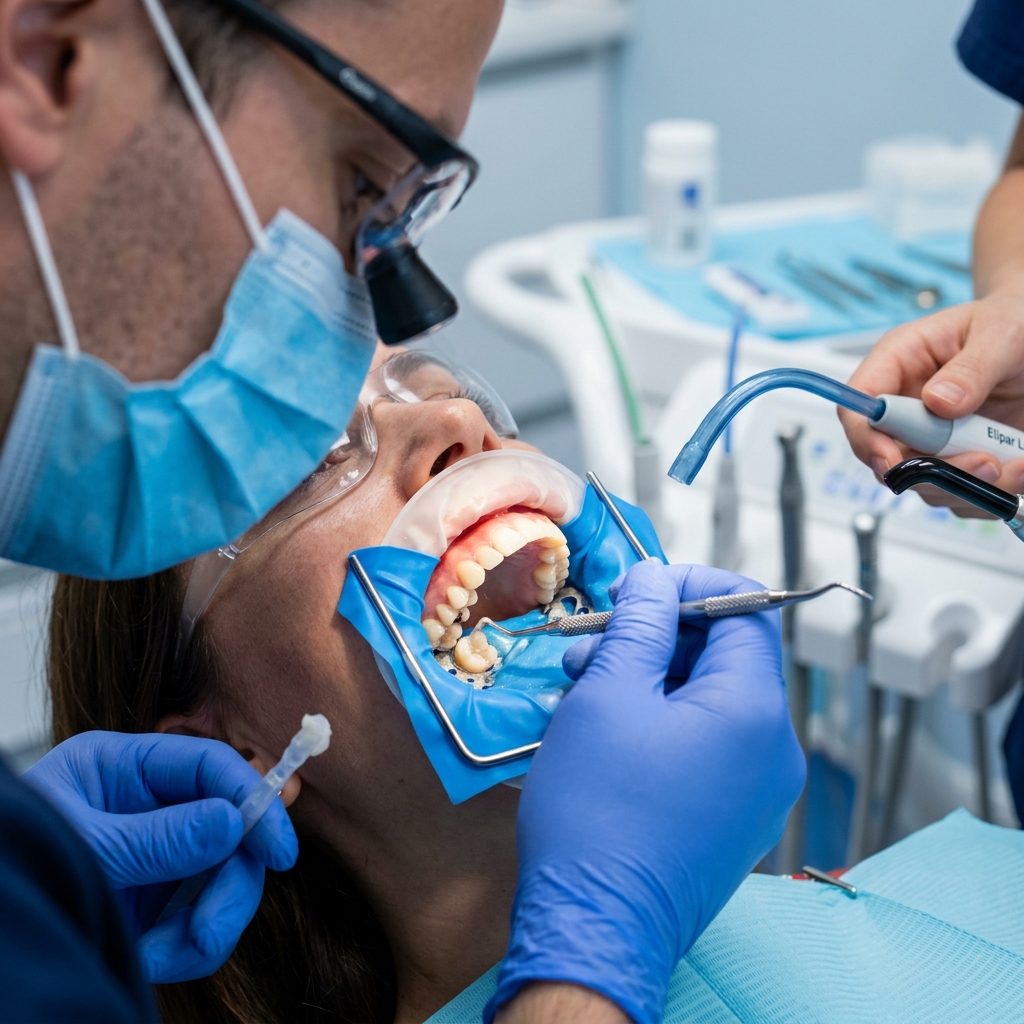
After getting a dental filling, following simple post op instructions for filling helps ensure a quick recovery and maintains the health of your restored tooth.
- Be careful until the numbness subsides to avoid accidental bites.
- Minimize sensitivity by steering clear of extreme temperatures in food and drink for a few days.
- Choose soft foods while your mouth is still numb to prevent accidental biting.
- Use a soft-bristled toothbrush and brush gently around the filled area.
- Normal sensitivity is expected, but contact the dentist if pain persists or worsens.
- Protect your new filling by avoiding foods that could dislodge it for at least 24 hours.
- Chew away from the filled tooth to reduce pressure and allow the filling to set.
- Report any bite issues or high filling concerns for adjustment.
- Strengthen your teeth and protect the filled area with fluoride mouthwash and toothpaste.
- Keep up with brushing twice a day and flossing daily to care for your teeth and new filling.
Periodontal Flap Surgery
Post Operative Instructions
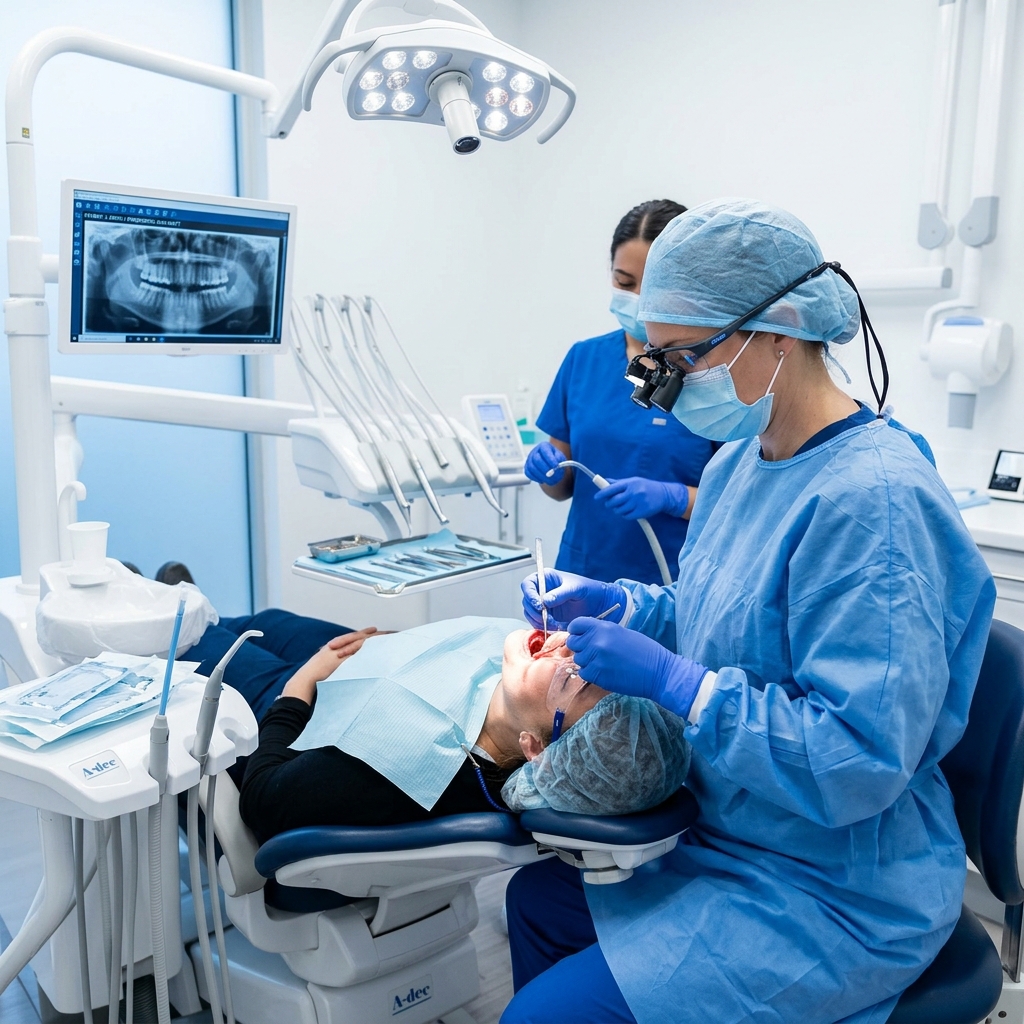
After undergoing periodontal flap surgery, it is important to follow a set of post op instructions for periodontal flap surgery to ensure proper healing and reduce the risk of complications.
- Take it easy and keep your head elevated to reduce swelling on the day of your surgery.
- Apply an ice pack for 15-20 minutes at a time during the first day and gently bite on gauze for bleeding.
- Take prescribed antibiotics and pain relievers as directed to prevent infection and manage discomfort.
- Opt for soft foods and liquids initially, avoiding hot foods and drinks, then gradually reintroduce solid foods.
- Be gentle around the surgical site, possibly using a special mouth rinse instead of brushing directly initially.
- Refrain from smoking for at least a week to aid the healing process and reduce complication risks.
- Avoid straws to prevent dislodging essential blood clots.
- Ensure you go to scheduled follow-ups for your healthcare provider to monitor healing.
- Be alert for increased pain, swelling, fever, or discharge, and contact the dentist or periodontist if these occur.
- Allow time for your body to heal, expecting some swelling, discomfort, and minor bleeding initially.
Scaling and Curettage
Post Operative Instructions
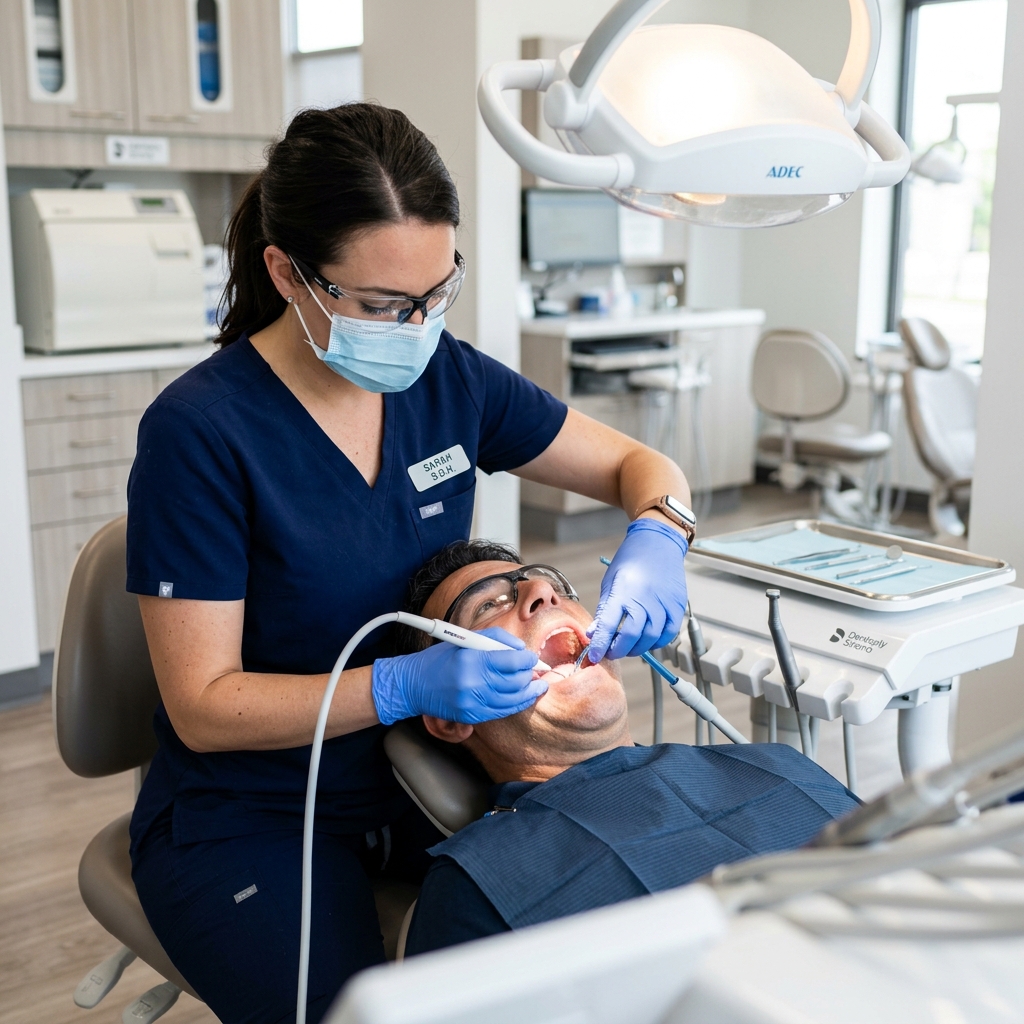
After scaling and curettage, a deep cleaning procedure to treat gum disease, following proper post op instructions for scaling and curettage is crucial for a quick and effective healing process. Use a soft-bristled toothbrush and be gentle when brushing to avoid further irritation to your tender gums.
- Be careful until the numbness subsides to avoid accidental bites.
- Minimize sensitivity by steering clear of extreme temperatures in food and drink for a few days.
- Choose soft foods while your mouth is still numb to prevent accidental biting.
- Use a soft-bristled toothbrush and brush gently around the filled area.
- Normal sensitivity is expected, but contact the dentist if pain persists or worsens.
- Protect your new filling by avoiding foods that could dislodge it for at least 24 hours.
- Chew away from the filled tooth to reduce pressure and allow the filling to set.
- Report any bite issues or high filling concerns for adjustment.
- Strengthen your teeth and protect the filled area with fluoride mouthwash and toothpaste.
- Keep up with brushing twice a day and flossing daily to care for your teeth and new filling.
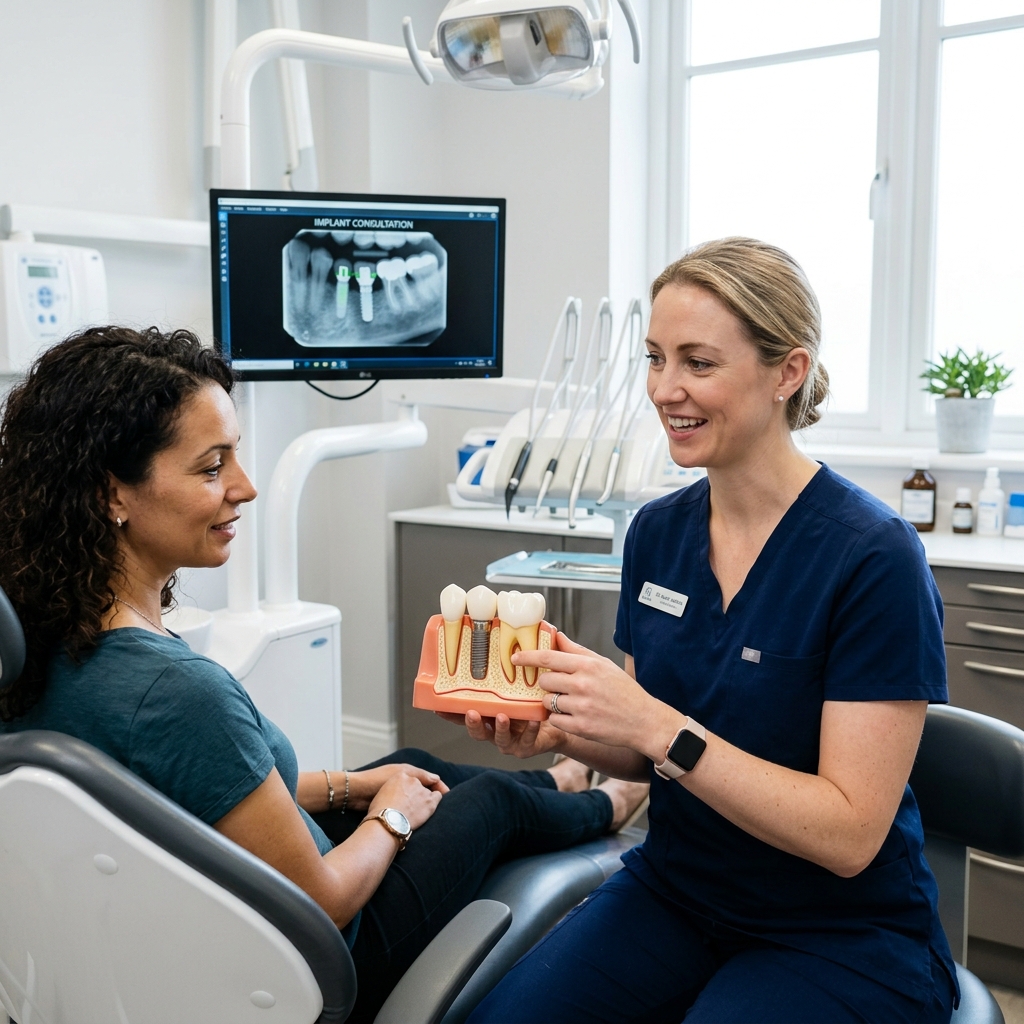
Dental Implants
Post Operative Instructions
After receiving dental implants, it is important to take proper care to ensure a successful healing process and the longevity of the implant.
- After your implant surgery, rest for the remainder of the day. Avoid strenuous activities for a few days to prevent bleeding and swelling.
- Use an ice pack on your cheek near the implant site to reduce swelling. Apply it for 20 minutes at a time during the first 24 hours.
- Stick to soft, easy-to-chew foods for the first week. Avoid hot and hard foods that can irritate the implant site.
- Gently brush your teeth, avoiding the surgical site for the first few days. Rinse your mouth with saltwater or a prescribed antibacterial mouthwash to keep the area clean.
- Smoking can hinder the healing process and affect the success of the implant. Try to avoid smoking for at least a week after surgery.
- The dentist will schedule follow-up appointments to monitor your healing and remove any stitches.
- If you experience severe pain, swelling, or signs of infection, contact the dentist immediately.